Healthy Homes Guide | Non-Toxic Building & Renovation Advice
"Forty years building homes taught me what actually makes a house healthy, and what quietly makes people sick in it."
"Damp, mould, condensation, poor ventilation, cold rooms. These aren't bad luck, they're building problems with building solutions. I translate the science into things you can actually do, whether you're renovating, building new, or just trying to fix a room that never dries out."
MORE ABOUT ME
I've spent more than 40 years building and renovating homes, and I've seen first-hand why some stay warm and dry for decades while others battle damp, mould and cold rooms. Almost every time, the difference comes down to how the house handles moisture, heat and air.
I still run my own building company, have chaired New Zealand Certified Builders, and have won Overall Business of the Year at the Great Lake Taupō Business Awards. Everything I share comes from real homes and real projects, not theory.
I started Healthy Homes Guide to share that knowledge in plain language, so you can make confident decisions whether you're building new, renovating, or fixing a home that never feels quite right. No jargon, no scare tactics, no product pitches. Just practical, experience-led guidance you can act on.
OUR SERVICES
"Objectively helping you to achieve your goals."
RESOURCE GUIDES
Healthy home guide to books and websites on healthy homes
Healthy Homes Introduction
If you’re looking to improve your knowledge on healthy homes this is a good place to start.
Healthy Homes Course
Learn the practical skills to make any home warmer, drier and healthier.
ONE ON ONE SESSIONS
Talk through your home with me directly. By video call, you can share photos, plans or the problem that's been bugging you, and I'll help you understand what's going on and what your options are.
RESOURCE GUIDES
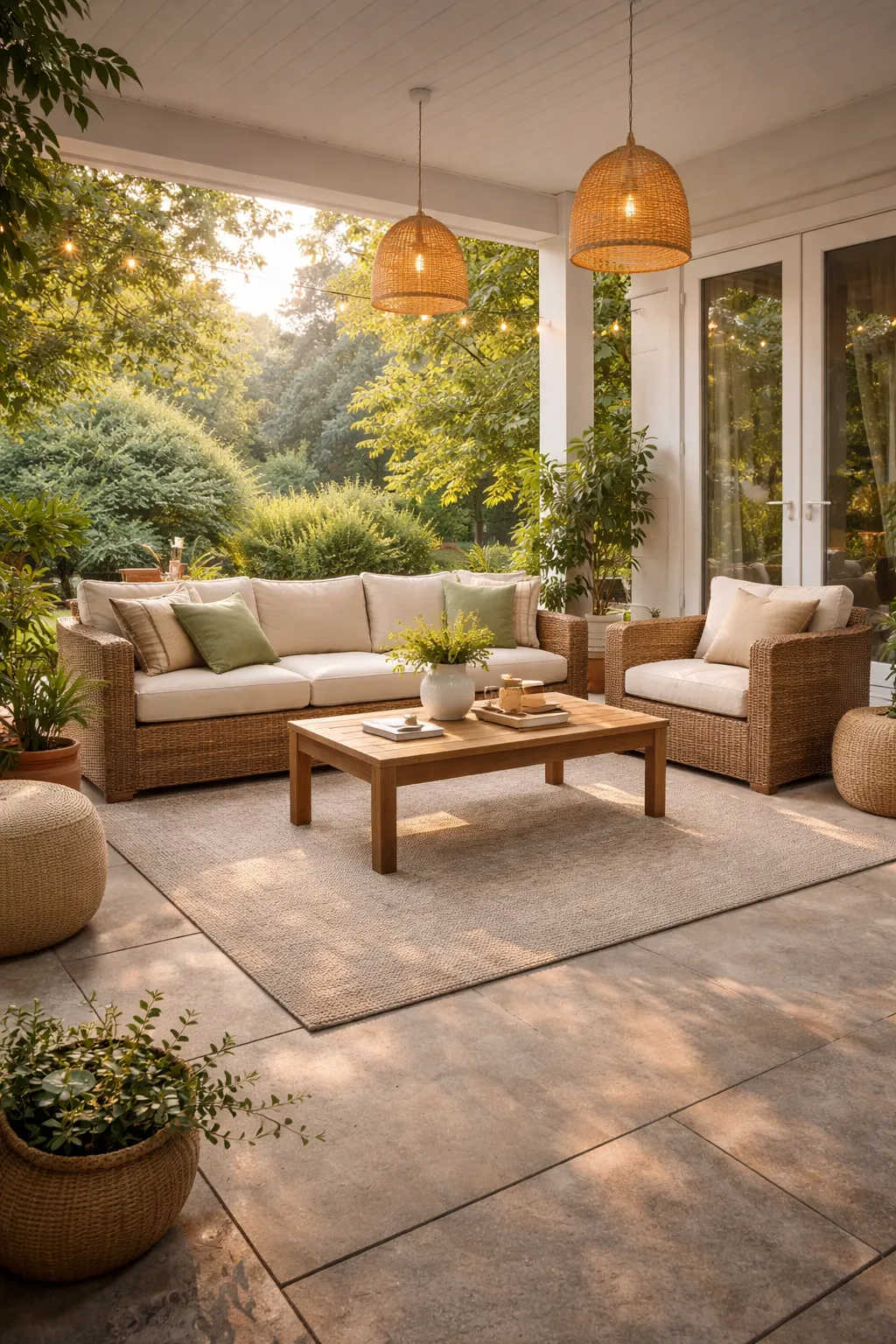
This is a free guide to books and websites on healthy homes.
Healthy Homes Introduction
If you’re looking to improve your knowledge on healthy homes this is a good place to start.

Healthy Homes Course
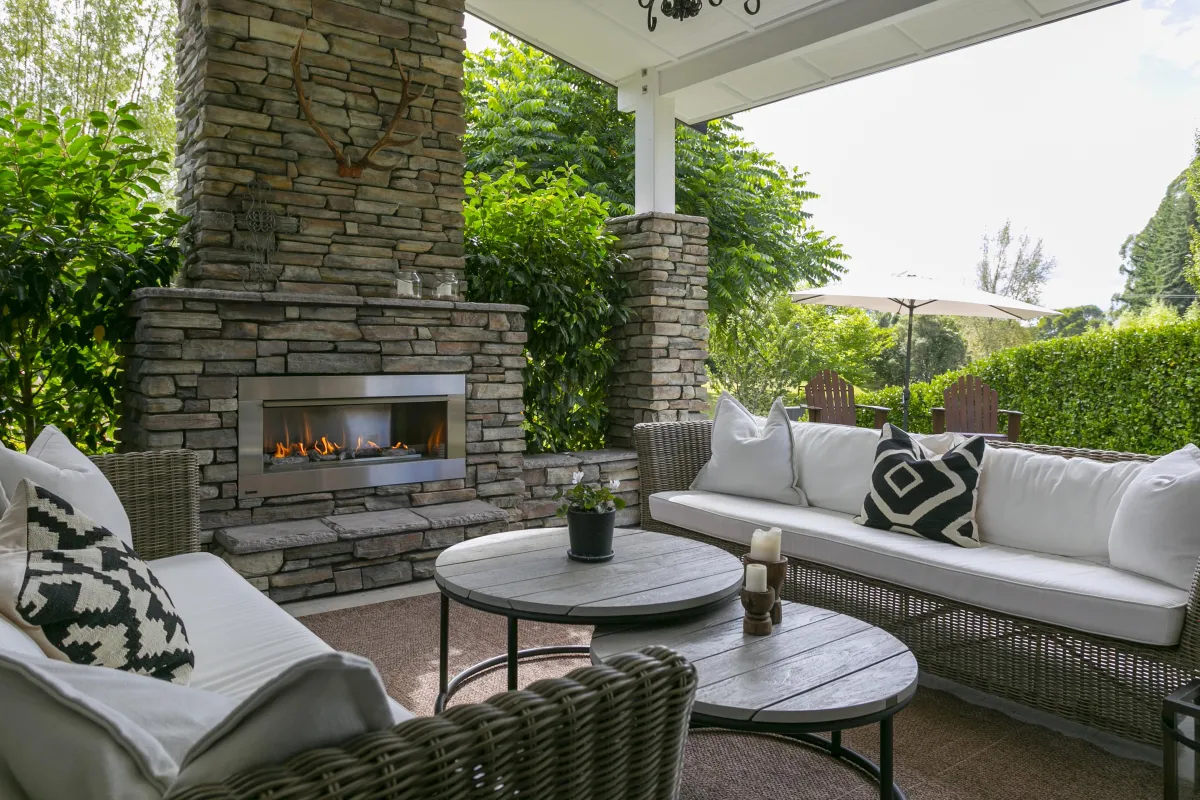
Learn the practical skills to make any home warmer, drier and healthier. We cover moisture and mould, ventilation, insulation, windows and low-tox materials, whether you're building new, renovating, or improving the home you live in now.
ONE ON ONE SESSIONS
Talk through your home with me directly. By video call, you can share photos, plans or the problem that's been bugging you, and I'll help you understand what's going on and what your options are.
Ideal if you're planning a build or renovation, or dealing with damp, mould or a cold house that won't come right. You'll come away with clear next steps you can act on.
MY SERVICES FEATURES

Personalized Healthy home plans
Tailored healthy home strategies just for you.

Expert Guidance
Professional advice to achieve your new healthy home build.

Holistic Approach
Comprehensive advice throughout the whole journey.
Healthy Home FAQ
What actually makes a home healthy?
A healthy home is warm, dry and well ventilated, with clean indoor air and materials that don't release harmful chemicals. After 40 years of building, I've found that most problems come back to one thing: moisture. Get moisture under control and you've solved most of the battle.
What causes mould in a house?
Mould needs three things: moisture, a surface to grow on, and time. In most homes the moisture comes from inside, from cooking, showers, drying clothes and simply breathing. When that moist air hits a cold surface, it turns to water, and mould follows. Leaks, rising damp and poor drainage outside are less common causes, but they need ruling out.
Does double glazing stop condensation?
Not always, and this is one of the biggest myths I come across. Double glazing keeps the glass warmer, but if the frame is aluminium without a thermal break, the frame itself stays cold and condensation simply moves there. Failed seals between the panes also reduce performance. Good glazing helps, but it works best alongside ventilation and moisture control.
What humidity should my home be?
Aim for 40 to 60% relative humidity for most of the time. Above 60% for long periods, mould and dust mites thrive; below 40%, the air feels dry and can irritate your eyes and airways. A simple digital hygrometer costs very little and tells you what's actually going on.
Who is behind Healthy Homes Guide?
I'm Ian Chamberlain, a builder with more than 40 years of hands-on experience. I started Healthy Homes Guide to share what I've learned about why some homes stay warm and dry while others struggle with damp and mould, in plain language, without jargon or scare tactics.
TESTIMONIAL
What Our Clients Say About Us
A big positive was Ian's communication skills before, during and after the project was completed. His communication with us and his team prevented misunderstanding and we felt we were all on the same wave length.
We would happily work with Ian and his team again.
Marcia and Jim
Ian's team are a tightly disciplined group of professionals
John
I have to say that the level of professionalism shown by your staff has been extraordinary.